
Introduction to Saudi Arabia’s Oil & Gas Industry
The oil and gas sector has long been the backbone of Saudi Arabia’s economy, and with Vision 2030 transforming the nation’s economic landscape, opportunities in this vital industry are more dynamic than ever. Landing your first job in Saudi Arabia’s oil and gas sector isn’t just about finding employment—it’s about becoming part of a strategic national initiative that’s diversifying the economy while maintaining its energy leadership. For Saudi nationals and expatriates alike, this sector offers competitive salaries, career advancement pathways, and the chance to contribute to one of the world’s most significant energy enterprises. Whether you’re a fresh graduate or looking to transition into this field, understanding the unique ecosystem of Saudi Arabia’s oil and gas industry is your first step toward securing that coveted first position.
Understanding the Industry Landscape and Key Players
Saudi Arabia’s oil and gas sector is dominated by several key organizations that serve as primary employers. The Saudi Arabian Oil Company, known as Saudi Aramco, stands as the world’s most valuable company and offers unparalleled career opportunities. Similarly, Saudi Basic Industries Corporation (SABIC) provides extensive roles in petrochemicals and downstream industries. Beyond these giants, specialized companies like Saudi Arabian Mining Company (Ma’aden) and numerous joint ventures with international corporations create a diverse employment ecosystem.
Understanding this landscape requires recognizing how Vision 2030 is reshaping the sector. The initiative aims to increase private sector participation, reduce oil dependency, and develop new industries—all of which are creating entry points for newcomers. The Ministry of Human Resources and Social Development (MHRSD) actively supports Saudization efforts in this sector, providing incentives for companies that hire Saudi nationals and establishing training programs to develop local talent.
To position yourself effectively:
- Research the organizational structures of major oil and gas companies in Saudi Arabia
- Familiarize yourself with Vision 2030’s specific goals for the energy sector
- Understand Saudization quotas and how they impact hiring practices
- Identify which companies have the strongest graduate programs and entry-level positions
Essential Education and Qualifications for Entry
The oil and gas industry in Saudi Arabia values specialized education and targeted qualifications. For technical roles, degrees in petroleum engineering, chemical engineering, mechanical engineering, geology, and geophysics are highly sought after. Non-technical positions may require business administration, finance, IT, or supply chain management degrees, particularly with a focus on the energy sector.
Professional certifications can significantly enhance your employability:
- Engineering certifications from Saudi Council of Engineers
- Professional Project Management (PMP) certification
- Health, Safety, and Environment (HSE) certifications
- Industry-specific software proficiency (Petrel, AutoCAD, etc.)
For Saudi nationals, the Human Resource Development Fund (HRDF) offers substantial funding for relevant training programs and certifications, reducing the financial barrier to acquiring these qualifications. Additionally, GOSI (General Organization for Social Insurance) benefits are particularly attractive in this sector, often including comprehensive health coverage and pension plans that extend beyond standard offerings.
Consider pursuing specialized short courses or workshops in areas such as:
- Oil and gas operations fundamentals
- Drilling technologies and techniques
- Refining and petrochemical processes
- Digital transformation in energy
Effective Job Search Strategies for the Oil & Gas Sector
Your job search approach in Saudi Arabia’s oil and gas sector should be both strategic and multifaceted. Begin by creating a targeted CV that highlights relevant education, certifications, and any practical experience—even from university projects or internships. Emphasize your alignment with Vision 2030 objectives and your understanding of Saudi Arabia’s energy sector priorities.
Leverage multiple channels in your job search:
- Company career portals of Saudi Aramco, SABIC, and other major employers
- Professional networking platforms like LinkedIn, with a focus on Saudi industry groups
- University career centers and alumni networks
- Industry-specific job boards and recruitment agencies with energy sector expertise
When applying, tailor each application to emphasize how your skills align with the specific company’s objectives. For Saudi nationals, highlight your understanding of local culture and language as competitive advantages. The MHRSD’s Taqat program offers resources specifically designed to help Saudi nationals navigate the job market in strategic sectors like oil and gas.
Consider targeting Saudi cities with significant industry presence:
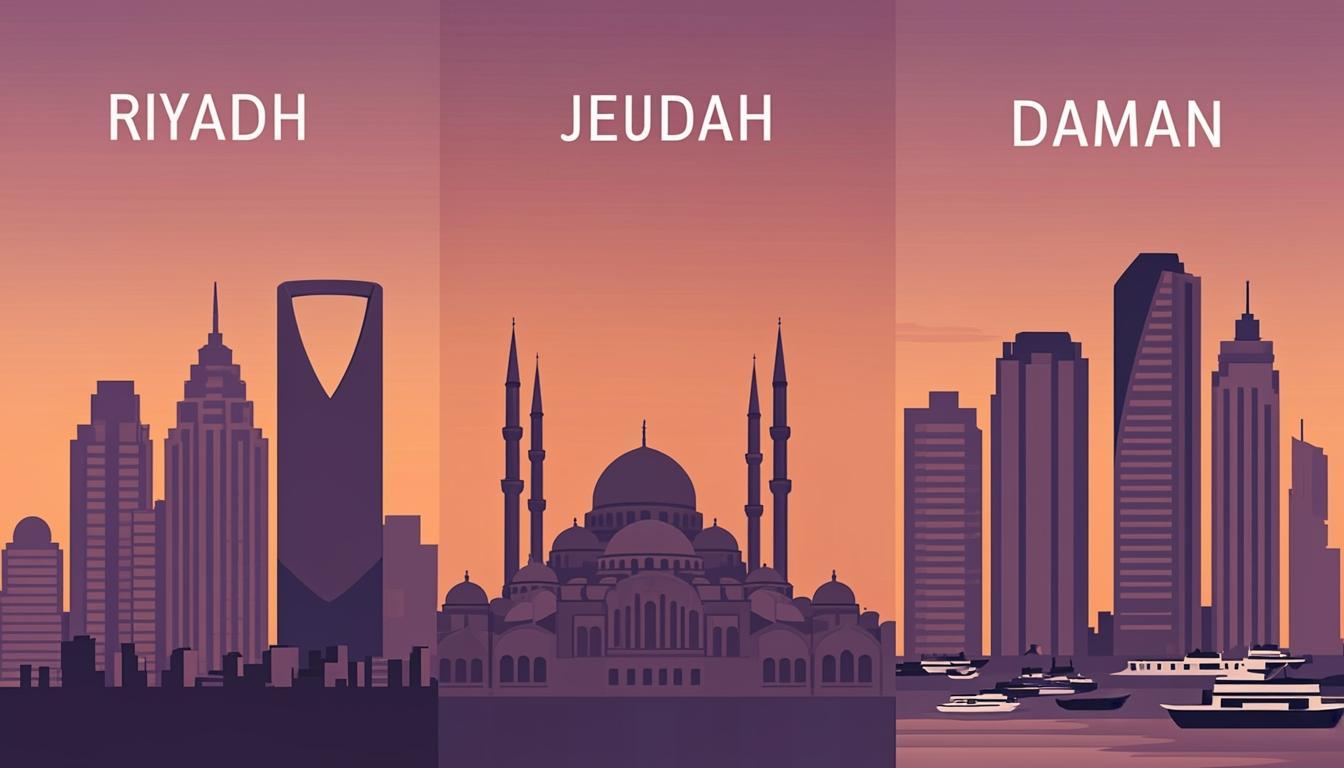
- Dammam and Dhahran in the Eastern Province (Aramco headquarters)
- Riyadh (increasing focus on corporate and administrative roles)
- Jubail and Yanbu (industrial cities with major petrochemical complexes)
Mastering the Interview Process and Cultural Considerations
The interview process in Saudi Arabia’s oil and gas sector typically involves multiple stages, including technical assessments, behavioral interviews, and panel discussions. Technical roles often include practical tests or problem-solving exercises that evaluate your specific engineering or scientific knowledge.
Prepare thoroughly by:
- Researching the company’s recent projects and strategic direction
- Understanding current industry challenges and opportunities in Saudi Arabia
- Preparing specific examples that demonstrate problem-solving and teamwork
- Developing thoughtful questions about the company’s Saudization initiatives and career development paths
Cultural considerations are particularly important in Saudi Arabia’s professional environment. While technical skills are essential, demonstrating cultural awareness and adaptability is equally valuable. For expatriates, understanding local customs and business etiquette is crucial. For Saudi nationals, highlighting your ability to bridge technical expertise with local understanding positions you as a valuable asset to international companies operating in the Kingdom.
During interviews, emphasize your commitment to safety and environmental responsibility—values deeply embedded in Saudi Arabia’s oil and gas operations. Discuss how you can contribute to the sector’s evolution under Vision 2030, particularly in areas of sustainability and technological advancement.
Conclusion and Pathway Forward
Securing your first job in Saudi Arabia’s oil and gas sector requires preparation, persistence, and a clear understanding of the industry’s unique dynamics. By aligning your skills and qualifications with the strategic priorities of Vision 2030, leveraging Saudization initiatives, and targeting key industry players, you can position yourself for success in this competitive yet rewarding field.
Frequently Asked Questions
Q: What is the typical career progression path for someone starting in the oil and gas sector in Saudi Arabia?
A> Entry-level positions often lead to specialized technical or management tracks, with opportunities for international assignments, further education sponsorship, and rapid advancement in a sector that values talent development. Saudi Aramco and other major companies typically have structured career ladders with clear progression milestones.
Q: How important is English proficiency for working in Saudi Arabia’s oil and gas industry?
A> English is the primary technical language in Saudi oil and gas operations, particularly in multinational environments. While Arabic is valuable for local operations and client interaction, strong English skills are essential for technical documentation, international collaboration, and career advancement.
Q> What are the main challenges faced by newcomers to Saudi Arabia’s oil and gas sector?
A> Newcomers often face competition for entry-level positions, the need for specialized technical knowledge, and adapting to the sector’s emphasis on safety protocols and operational excellence. However, targeted preparation and understanding of Saudization requirements can help overcome these challenges.