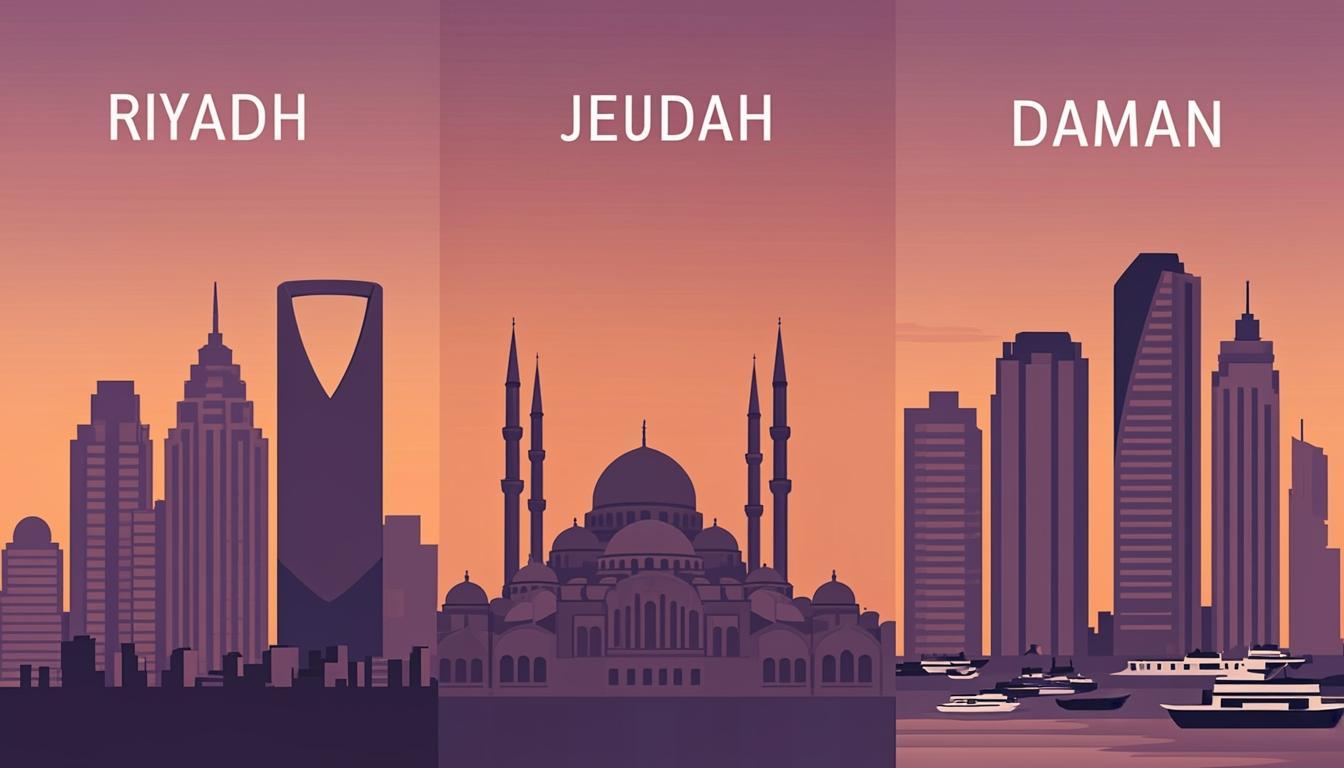

Remote work in Saudi Arabia has transformed from a temporary solution to a permanent fixture in the Kingdom’s evolving job landscape. As the nation accelerates toward Vision 2030 goals, digital transformation and flexible work arrangements have become central to economic diversification. Whether you’re a Saudi professional exploring local opportunities or an expat considering relocating to cities like Riyadh, Jeddah, or Dammam, understanding the nuances of remote work in Saudi Arabia is essential for career success in this new era.
The Legal Framework for Remote Work in Saudi Arabia
The Saudi government has established clear regulations for remote work through the Ministry of Human Resources and Social Development (MHRSD). These regulations ensure both employers and employees are protected while embracing modern work arrangements. The MHRSD’s “Remote Work System” officially legalized remote work in Saudi Arabia, providing a solid foundation for this growing trend.
Under Saudi labor law, remote work arrangements must be formalized through a written contract between employer and employee. This contract should specify:
- Work hours and expectations
- Equipment provision and maintenance responsibilities
- Data security protocols
- Performance evaluation methods
- Compensation and benefits structure
Employers must also ensure compliance with GOSI (General Organization for Social Insurance) regulations, which cover remote employees similarly to on-site staff. Additionally, the MHRSD requires that remote work arrangements do not negatively impact the employee’s work-life balance or violate Sharia principles.
Popular Industries and Remote Job Opportunities
Saudi Arabia’s digital transformation has created numerous remote work opportunities across various sectors. The demand for remote talent is particularly strong in industries aligned with Vision 2030’s objectives.
Technology and IT lead the remote work landscape, with opportunities in software development, cybersecurity, and digital transformation consulting. Cities like Riyadh and Riyadh’s Digital City have become hubs for tech companies offering remote positions. Similarly, the financial services sector in Jeddah and other major cities has embraced remote work for roles in fintech, financial analysis, and digital banking.
Other thriving sectors for remote work include:
- Education and E-learning: With Saudi Arabia’s focus on educational reform, there’s growing demand for remote instructors, curriculum developers, and educational technologists.
- Healthcare Telemedicine: The expansion of digital health services has created opportunities for remote medical professionals, health consultants, and medical writers.
- Creative Industries: Jeddah’s growing arts and culture scene has boosted demand for remote graphic designers, content creators, and marketing professionals.
- Consulting: Management and technical consultants can serve clients remotely while based in Saudi cities or working internationally.
Setting Up for Remote Work Success in Saudi Arabia
Successfully working remotely in Saudi Arabia requires both technical setup and cultural adaptation. The Kingdom’s digital infrastructure has improved dramatically, with high-speed internet widely available in urban centers like Riyadh, Jeddah, and Dammam.
For remote employees, establishing a productive home office is crucial. This includes:
- Reliable internet connection with backup options
- Ergonomic furniture to maintain health during long work hours
- Appropriate technology (computer, peripherals, software)
- Secure workspace compliant with company data protection policies
Culturally, remote workers should be mindful of Saudi working hours and prayer times when scheduling meetings. Building relationships with colleagues and managers requires intentional communication, as informal interactions common in traditional offices are absent in remote settings. Many Saudi companies now use collaboration platforms like Microsoft Teams and Slack to maintain team cohesion across distances.
Challenges and Solutions for Remote Work in Saudi Arabia
Despite its benefits, remote work in Saudi Arabia presents unique challenges. One significant hurdle is the cultural shift toward trust-based management. Traditional Saudi workplaces have often relied on physical presence as a measure of productivity, requiring both employers and employees to develop new metrics for success.
Another challenge involves work-life balance. With the home becoming the workplace, maintaining boundaries can be difficult. Saudi professionals must navigate family expectations while meeting work demands, particularly during religious holidays and family gatherings when remote work continues.
To overcome these challenges:
- Establish clear communication protocols with regular check-ins
- Set defined work hours and communicate them to household members
- Leverage technology for project management and progress tracking
- Participate in virtual team-building activities to maintain connections
- Take advantage of co-working spaces in Riyadh, Jeddah, or other cities for occasional office-like environments
The Future of Remote Work in Saudi Arabia
Remote work in Saudi Arabia is poised for continued growth as Vision 2030 progresses. The government’s initiatives to develop digital cities and economic zones will further support remote work infrastructure. Saudi Vision 2030’s emphasis on privatization and foreign investment is expected to bring more international companies to the Kingdom, many of which offer remote work options.
The MHRSD continues to refine regulations to accommodate evolving work arrangements, with potential future developments including greater flexibility in cross-border remote work and enhanced digital worker protections. As Saudi Arabia’s workforce becomes increasingly digital-savvy, the demand for remote talent—both local and international—will continue to rise.
For job seekers, remote work represents an opportunity to access positions in leading Saudi companies without geographical constraints. For employers, it expands the talent pool beyond Saudi cities, enabling recruitment of specialized skills from across the region and globally.
Frequently Asked Questions
Q: Do remote workers in Saudi Arabia have the same labor rights as on-site employees?
A: Yes, under the MHRSD’s Remote Work System, remote employees enjoy the same labor rights, benefits, and protections as on-site workers, including GOSI coverage and paid leave.
Q: Can expatriates work remotely for foreign companies while living in Saudi Arabia?
A: This requires careful consideration of visa regulations and tax implications. Some expatriates may need special permissions, and tax residency status must be determined based on physical presence and other factors.
Q: How is Saudization (Nitaqat) affected by remote work arrangements?
A: Remote work can contribute to Saudization goals by enabling Saudi professionals to work for companies that may not have physical offices in the Kingdom. The MHRSD has specific guidelines for counting remote Saudi employees toward Saudization targets.